DEL Foundations

DEL Foundations

Course opens October 12
Registration closes October 7

class type

Asynchronous

In this asynchronous course, participants will explore the key components of the DEL Model: Artistry and Dance-Making; Dance Vocabulary; Culturally Responsive Practices; Curriculum Design; Supporting Diverse Learners; Inspired and Inclusive Practices; Resources and Technology.

Date:

Course opens October 12
Registration closes October 7


DEL Foundations

Asynchronous (Online)
1 year of access to all course materials

Grade Level(s)

PreK-12

Time to Complete

~30 Hours

Modules

10

Prerequisites

None

Course Content

The DEL Foundations online course provides an overview of the key components of the nationally acclaimed 92NY DEL Model of teaching dance in a wide variety of learning contexts.

This 10-week asynchronous course is based on the highly popular DEL Foundations course that has been taught at 92NY DEL in New York City since DEL’s inception in 1995. Developed by DEL Founder, Jody Gottfried Arnhold with Ann Biddle as Founding Faculty, the course has evolved and adapted over its long history. This current iteration has been updated by Ann Biddle and Catherine Gallant and reflects current 21st-century dance education practices.

Updated and modified as an asynchronous learning experience, participants in this course explore 92NY DEL’s comprehensive and inclusive model of dance education. Participants will be introduced to the DEL Dance Framework, based on LMA as applied to dance education, as an organizing system for dynamic dance making and scaffolded lesson planning.

Participants interact in the online community by engaging in collaborative choreography, dance elements and skills, and self and peer reflection. In addition, participants gain an understanding of broad developmental benchmarks and effective and inspired teaching strategies to support diverse learners in a culturally responsive environment and align with local, state and/or national dance standards. Finally, participants in this course articulate a vision statement that represents their core Teacher’s Heart and consider applications of the DEL Model to one’s unique environment.

The DEL Foundations curriculum is aligned with the NYC Blueprint for Teaching and Learning in the Arts: Dance Pre-K – 12 and the National Core Arts Standards in Dance (NCCAS).

Learning Objectives

  • Explore the key components of the DEL Model
  • Understand the philosophical and educational roots of dance education
  • Examine the contributions of Rudolf Laban and explore applied Laban Movement Analysis (LMA) as a framework for dance making
  • Design DEL lesson plans using the DEL Dance framework
  • Work collaboratively with peers through group choreographic tasks and peer feedback/reflection
  • Understand how to meaningfully connect dance to other disciplines (i.e., language arts & science)
  • Create meaningful and age-appropriate dance experiences for diverse populations within an inclusive learning environment

Choose From Two Modes of Study

Independent Study

$300

(+$30 processing fee)

Course Dates: Anytime within 1 Year!

Facilitated Study

$595

(+$35 processing fee)

Course Dates: October 12 – December 20, 2026

Final assignments due January 3, 2027

Course Duration: 10 weeks

Independent Study courses offer students the freedom to learn at their own pace, allowing them to dedicate as much or as little time to the material as they choose.

  • No set deadlines
  • Full control over the timing and progression of your learning
  • Best suited for those who prefer to study independently and autonomously
  • Retain access to course materials for one year, providing ample opportunity to revisit and review content at your convenience

Facilitated Study courses offer a more structured and interactive learning experience, ideal for students who value consistent feedback, community engagement, and a clear course timeline.

  • Submit weekly assignments, along with a final assignment
  • Receive written feedback from facilitators
  • Mid-course Zoom meeting where students can meet their cohort, engage with peers, and connect directly with the course facilitator for additional support and guidance
  • May include discussion boards for peer interaction
  • Designed for students who thrive in a guided, collaborative setting
  • Approximately 3 hours of engagement per week
  • All Facilitated Study courses are eligible for undergraduate credit through DEL’s partnership with SUNY Empire State University for a separate and additional fee

Discounts

  • NYCDOE dance specialists get 50% off every DEL course.
  • NYCDOE common branch teachers get 10% off every DEL course.
  • NYCDOE Arnhold New Teachers get DEL courses free for their first and second year teaching in the DOE.

Email [email protected] for more information.

Scholarships

Scholarships are available through 92NY. 

Learn more about general 92NY scholarship information and applications. 

(All discounts are applied to the course cost only and participants are responsible for paying 92NY registration fees.)

Credits

Students may take this course in Facilitated Study format for SUNY Empire State University credit for a separate and additional fee, and will receive 6 undergraduate credits.

Educators can also receive New York State CTLE credits for completed DEL courses.

What's Inside Our DEL Foundations Course:

10 Modules of Learning:

Module 1 welcomes participants to the DEL online community and provides an introduction to the DEL Model and Mission Statement. You will:

  • Meet DEL Founder, Jody Gottfried Arnhold
  • Learn about the history and origins of the DEL program established in 1995 at the 92NY in New York City
  • Read rupplemental readings and view the documentary film, PS Dance!  which celebrates dance education in NYC public schools
  • Create a rationale for comprehensive dance education for all learners

In Module 2, you will:

  • Explore the philosophical and educational foundations of dance education by examining key theorists in education, psychology, and human development
  • Be introduced to the four categories of the DEL Dance Framework (Body, Effort, Space, and Relationship) based on applied Laban Movement Analysis (LMA)

In Module 3, you will:

  • Explore the first category of the DEL Dance Framework, Body, and learn about action words
  • Explore how to create movement sentences with action words
  • Learn how to create “juicy” movement sentences and vary them using the DEL Dance Framework

In Module 4, you will:

  • Explore the Effort category of the DEL Dance Framework
  • Reflect on how Effort can be explored in dance-making
  • Choreograph an Effort-inspired dance 

The Effort category of the DEL Dance Framework explores the dynamics of movement including weight, time, space, and flow.  Effort identifies how the body moves in terms of qualities of movement and the ways in which actions are performed. Descriptive words such as adjectives and adverbs are used to describe and analyze the texture, mood, feeling, and imagery involved in dance.

In Module 5, you will:

  • Explore the Space category of the DEL Dance Framework
  • Participate in a Space movement exploration, read or view several resources linked to Space, and create a short reflection response
  • Practice teaching a Space Exploration following a Teacher’s Script or designing your own exploration

Space describes where the body moves in space and increases a student’s spatial awareness. The Space category explores the spatial components of dance including personal vs. general space, levels, directions, pathways, and a wide range of Space words, such as above and below, for example. 

In Module 6, you will:

  • Explore the Relationship category of the DEL Dance Framework
  • Practice teaching a Relationship Exploration exercise.   

The Relationship category focuses on with whom the dancer is moving and identifies different types of Relationships that exist in dance, such as body parts in Relationship to each other, individuals in Relationship to each other or within groupings, plus connections to music and other disciplines, for example. In the DEL Model, the Relationship chart is a primary area that describes choreographic tools that dancers can use in dance making.  Actions such as mirroring, shadowing, leading/following, meeting/parting are examples of choreographic tools that help organize groups in space.

In Module 7, you will:

  • Explore how to combine the four categories of the DEL Dance Framework to create interesting and dynamic dance-making inspired by the theme of Sea Creatures
  • Focus on the key components of the DEL lesson plan format, review several examples of DEL-based lesson plans, and learn how to design an original lesson plan

The DEL Model uses the DEL Dance Framework to develop lesson plans that include opportunities for student-generated choreography. The DEL lesson plan format emphasizes a scaffolded learning arc that follows a sequential and organic flow from introduction and warm-up, to exploration and development, to culmination, reflection, and relaxation—with dance-making at the core.

In Module 8, you will:

  • Gain an understanding of developmental benchmarks in children and teens by reviewing several resources summarizing developmental benchmarks across the grade bands, and viewing the PS Dance! Next Generation documentary film
  • Learn strategies for addressing and supporting diverse learners and students with disabilities

The DEL Model is accessible to all learners, and encourages dance educators to be well-versed in human development and developmental benchmarks to support a positive movement learning experience. In order to design age-appropriate lessons and units, it is vital to know who the student is and to have an understanding and appreciation for the student as a whole person.

In Module 9, you will:

  • Experience Making Connections between dance and other disciplines, with a focus on making connections between dance and language arts
  • Expand your understanding of how dance can and does make connections to other disciplines and subject areas
  • Explore an integrated dance, visual arts, and poetry unit and engage in a dance-making experience inspired by the Maya Angelou poem, Life Doesn’t Frighten Me, illustrated by Jean-Michel Basquiat
  • Design an integrated dance and language arts lesson, or an integrated dance and science lesson
  • Review selected lessons that make connections between dance and different disciplines as inspiration for your lesson planning

DEL encourages multiple entry points into dance, such as thematic-based learning, genre or dance technique-specific lessons, as well as arts-integrated or interdisciplinary curriculum design. One of DEL’s mottos is that you can make a dance about anything! DEL values dance as a discrete, essential, rich arts discipline, and encourages teachers to build curricula around dance as an art form. 

In Module 10, you will:

  • Reflect on your experience and learning in the DEL Foundations course and think about the big concepts, ideas, and issues within dance education that resonate for you as takeaways
  • Reflect on the application of the DEL Model in your own teaching or dance practice
  • Articulate a vision statement that reflects the core of your Teacher’s Heart, and embody your teacher’s Heart through a solo dance-making activity

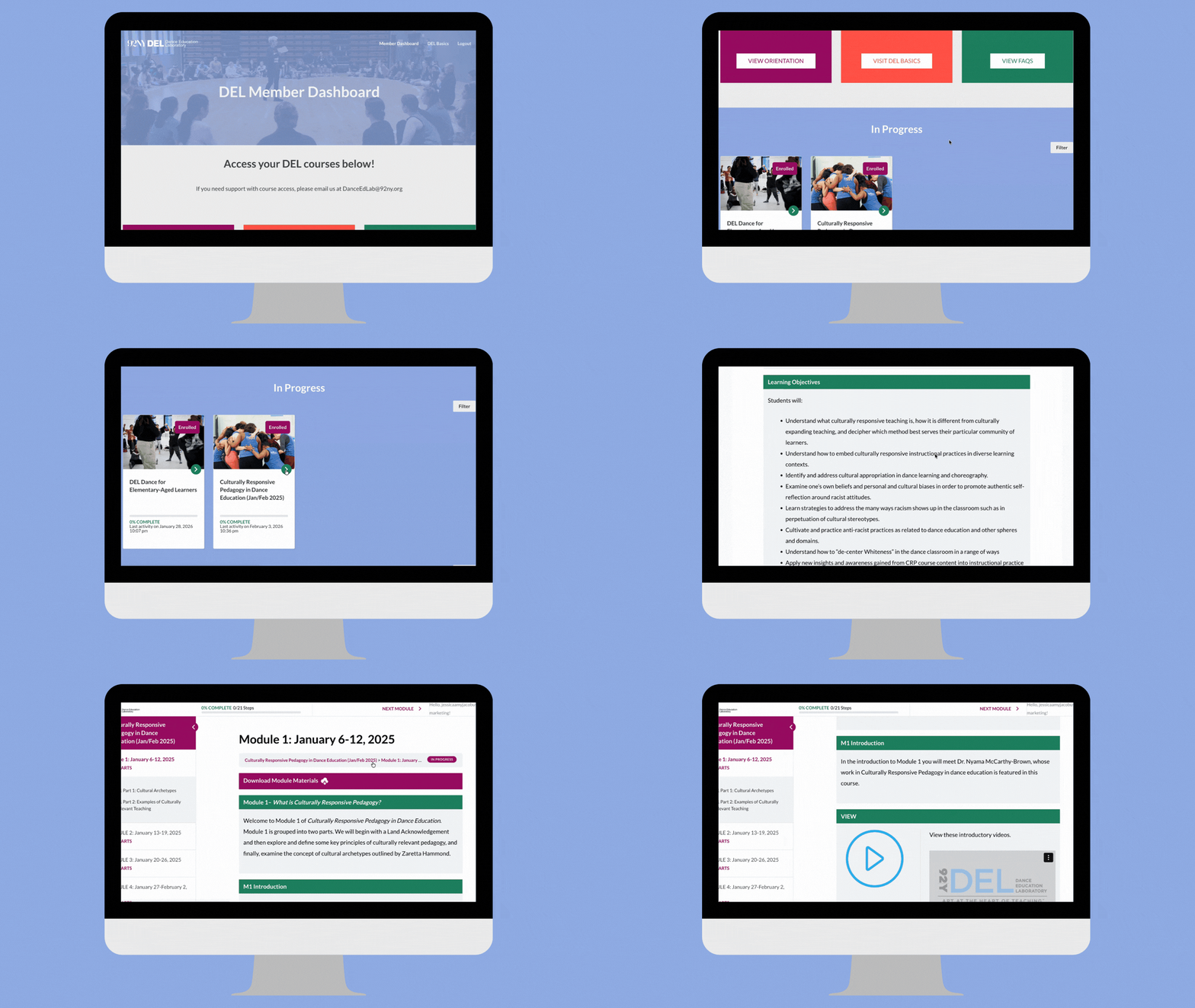
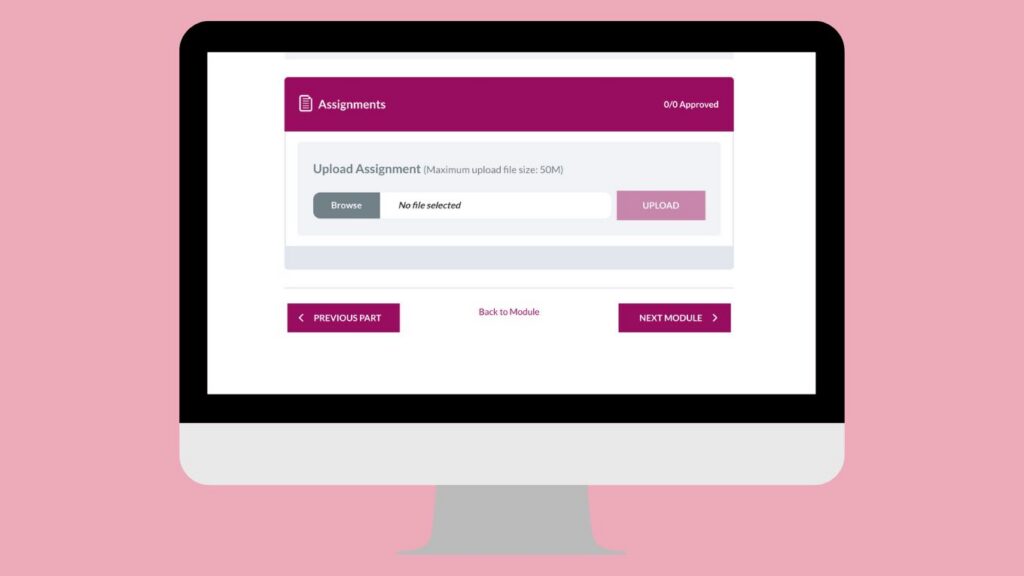
DEL's Online Learning Platform

Meet Your Instructors

Ann Biddle

Ann Biddle (B.A., Kenyon College; M.A., Teachers College, Columbia University) is a leader in the field of dance education with over 35 years of experience as a dancer, choreographer, educator, professional developer, school administrator, and curriculum writer. She currently serves as the Professional Learning and Curriculum Senior Consultant for the...
Catherine Gallant

Catherine Gallant, MFA was the assistant director at 92Y Harkness Dance Center from 1994-96 just as DEL was beginning and has been on the faculty of the Dance Education Laboratory since 2003. She has presented her work at 92nd Street Y Harkness Dance Center, WestFest and American Dance Guild. Recently...
Felice Santorelli

Felice Santorelli (Ed.M Dance Education, B.F.A. Dance and Choreography) is a full time dance educator at the Pioneer Valley Performing Arts Charter Public School (PVPA) in Western Massachusetts. Felice’s teaching experience ranges from K-12 to higher education and in various styles of dance. Felice brings experience designing dance curriculum that...