DEL Dance for Adolescent Learners (Ages 12-18)

DEL Dance for Adolescent Learners (Ages 12-18)

On-Demand
Registration Open Year-Round

class type

Asynchronous

DEL Dance for Adolescent Learners (ages 12-18) is a six-module asynchronous course focused on designing engaging, meaningful, and age-appropriate dance activities and lessons for dancers ages 12-18.

Course Content Created By: Ann Biddle, Susan Pope, Edwin Brathwaite, Felice Santorelli, David Lee and Katrina Brown-Aliffi

Date:

On-Demand
Registration Open Year-Round


DEL Dance for Adolescent Learners (Ages 12-18)

Asynchronous (online)
1 year of access to all course materials

Ages

12-18

Time to Complete

~18 Hours

Modules

6

Prerequisites

None

Course Content

DEL Dance for Adolescent Learners (ages 12-18) is a six-module asynchronous course focused on designing engaging, meaningful, and age-appropriate dance activities and lessons for dancers ages 12-18.

Participants learn how to apply the DEL Dance Framework through movement exploration and collaborative dance-making that builds community and empowers adolescent dancers to gain agency in their artistry. Each weekly module is designed by a DEL Facilitator who shares best practices for working with teens in diverse teaching settings linked to specific curricula themes and topics. The course features student-centered interdisciplinary modules that support authentic and self-directed learning for adolescent learners.

Learning Objectives

Participants will:

  • Deepen understanding of the developmental characteristics and benchmarks of students ages 12-18.
  • Develop the skills to design and teach engaging, relevant, and developmentally appropriate learning experiences for adolescent dancers.
  • Explore the components of the DEL model, with a focus on the DEL Dance Framework as a tool for lesson planning and curriculum design for adolescent dance students.
  • Identify effective instructional strategies and methodologies to inspire and support middle and high school dance students.
  • Apply principles of culturally responsive pedagogy (CRP) and integrate social-emotional learning (SEL) strategies into the dance classroom.
  • Connect dance to other disciplines—including ELA, history, and community engagement—offering multiple entry points for student-centered dance-making.
  • Engage in embodied reflective practice, using the DEL model to examine and explore one’s teacher identity.

Enroll Today

$195

(+$25 processing fee)

Course Dates: Anytime within 1 Year!

This course is offered as Independent Study to learn at your own pace, allowing you to dedicate as much or as little time to the material as you choose. No set deadlines. Access to course materials for one year. Best suited for those who prefer to study independently and autonomously. 

Discounts

  • NYCDOE dance specialists get 50% off every DEL course.
  • NYCDOE common branch teachers get 10% off every DEL course.
  • NYCDOE Arnhold New Teachers get DEL courses free for their first and second year teaching in the DOE.

Email [email protected] for more information

Scholarships

What's Inside Our Dance for Adolescent Learners (Ages 12-18) Course:

6 Modules of Learning:

In this Module, you will deepen your understanding of the developmental characteristics and benchmarks of middle and high school dance students. You will also explore a middle school DEL-based dance unit I designed that focused on the choreographic processes of choreographer Alonzo King.

In Module 2, you will learn how to facilitate dance experiences that explore identity through poetry, spoken word, and movement exploration. This module will help participants create lessons that explore identity and use collaborative dance-making to establish community and cultural relevance within a class setting.  Sensory awareness, poetry, and the DEL Dance Framework will be used to create movement sentences about who we are and how we came to be. Participants will learn how identity is formed from a geographical, historical, and familial perspective, expressed with sensory details. Each participant will create an embodied portrait of themselves and reimagine the process for middle and high school students. This module consists of two thoughtfully designed lessons that guide students through movement exploration, ultimately leading to dance-making rooted in the idea that we are all part of a larger, interconnected community. As an introductory unit, it serves as a dynamic and engaging way to get students moving while fostering self-awareness and an understanding of their peers. More than just a movement exercise, this unit is designed to cultivate a safe, inclusive classroom environment where every student feels valued. By engaging in both written reflection and physical expression, students and teachers alike are encouraged to analyze their roles within the classroom, recognizing the impact of their actions on the broader school atmosphere. The ultimate goal is for the collaborative and respectful behaviors developed in class to extend beyond the studio, influencing students’ interactions within the school and at home.

Module 3 consists of two thoughtfully designed lessons that guide students through movement exploration, ultimately leading to dance-making rooted in the idea that we are all part of a larger, interconnected community. As an introductory unit, it serves as a dynamic and engaging way to get students moving while fostering self-awareness and an understanding of their peers. More than just a movement exercise, this unit is designed to cultivate a safe, inclusive classroom environment where every student feels valued. By engaging in both written reflection and physical expression, students and teachers alike are encouraged to analyze their roles within the classroom, recognizing the impact of their actions on the broader school atmosphere. The ultimate goal is for the collaborative and respectful behaviors developed in class to extend beyond the studio, influencing students’ interactions within the school and at home.

In Module 4, you will explore making dances for social change by examining the work and creative process of acclaimed contemporary choreographer and activist Kyle Abraham. 

In Part 1, you will engage in a movement exploration inspired by photos and movement elements found in Kyle Abrahm’s work, “Untitled America.” You will complete a critical inquiry process to learn more about Abraham’s mission statement, creative process, and artistic intention in creating “Untitled America.” 

In Part 2, we will analyze “Untitled America” using the DEL Dance Framework and examine how movement choices in a dance are evidence of meaning. The module will culminate in an optional dance-making task in which you will make your own innovative dance with a clear artistic intention related to a social justice issue. 

Note: When engaging in this work, you can also look in the additional resource list of other dances made by acclaimed choreographers who have a social justice focus. For this module, we are looking at this single work as an example of a choreographer creating work with a social justice intention. Kyle Abraham’s body of work skillfully tackles contemporary social justice issues, and his choreography can help inform our emerging adolescent dancemakers.

In Module 5, you will learn how to incorporate waacking and queer dance into your teaching practice to create an inclusive and empowering classroom environment. Emerging from the underground gay clubs of 1970s Los Angeles, waacking blends dramatic expression, posing, and musicality, offering a powerful tool for self-expression and identity exploration. The module includes strategies and lesson plans designed for middle and high school students, emphasizing inclusivity and celebrating diverse identities.

By integrating queer dance forms (Waacking, Voguing, House, and many more) into the classroom, we foster a more inclusive space where students can explore their individuality. Providing a variety of styles from diverse perspectives helps students in middle and high school, a critical time for self-discovery, connect with dance cultures that resonate with them, empower them, and allow them to feel seen and valued.

By the end of this module, you will have a well-rounded understanding of waacking’s history, embodied experience, and practical classroom applications. This approach ensures that waacking is honored as a cultural and artistic practice while allowing students to explore its expressive and creative possibilities in an inclusive and meaningful way.

In Module 6, we will explore the value of fostering intergenerational relationships within our dance classroom as we provide structured opportunities for students to spend time with, listen to, develop rapport with, and learn from elders within their communities and families. Before potentially engaging our students in the activities provided and beyond, we will engage in the activities ourselves to create an embodied experience with intergenerational learning. Thus, we – and by extension, our students – will unpack potential biases about aging, thoughtfully craft interview questions to ask an elder in our family or community to get to know their life story, develop a brief biographical literary work (memoir, poem, or story) about the elder we’re working with, and use improvisation tools and choreographic devices to generate movement that embodies the story shared by our elder.

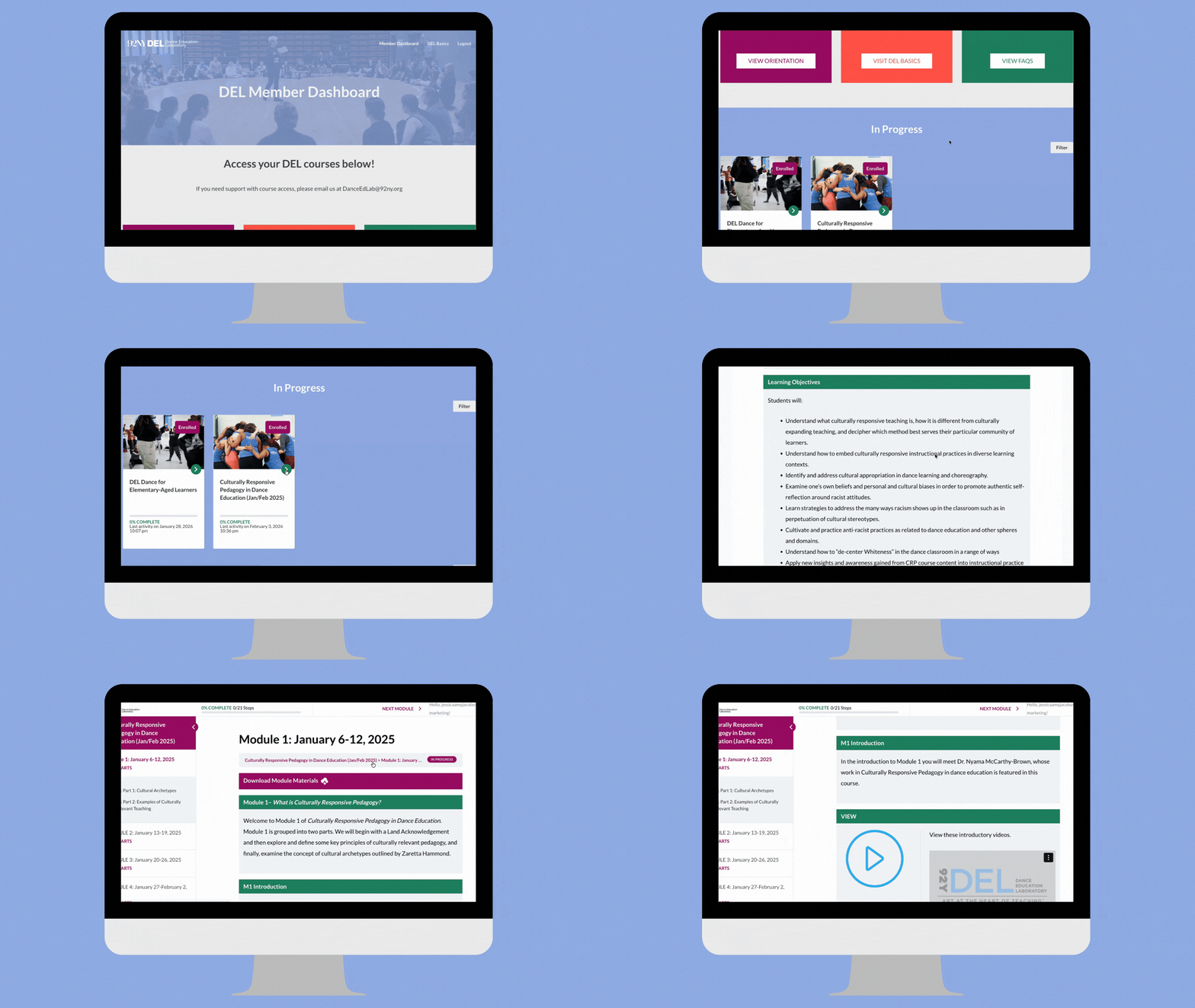
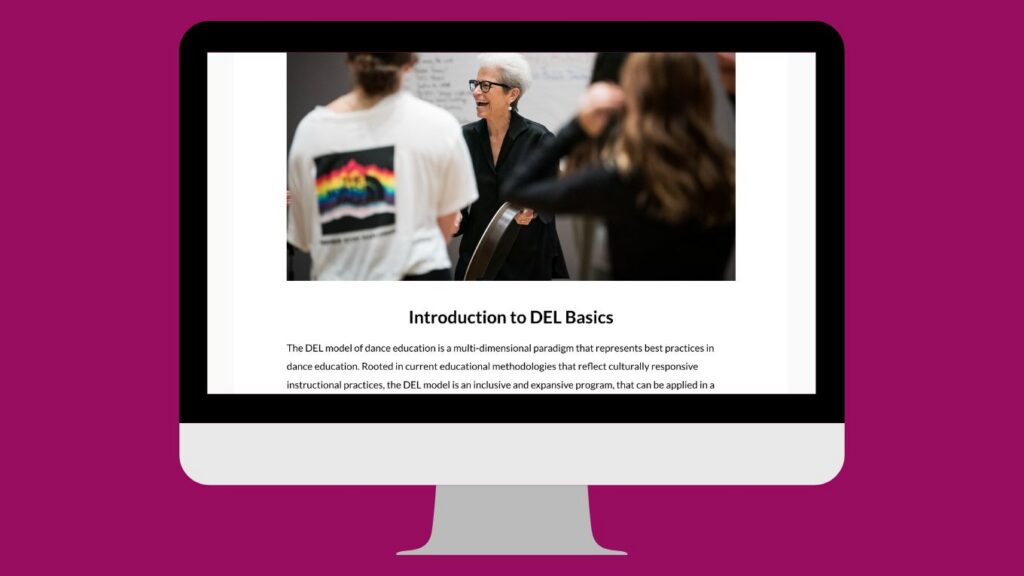
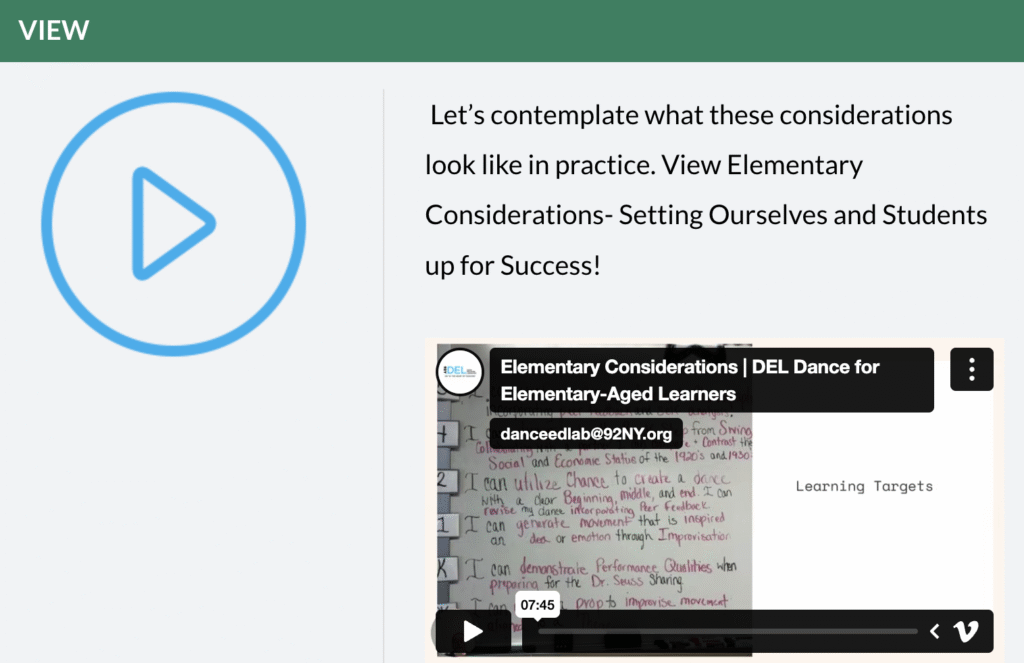
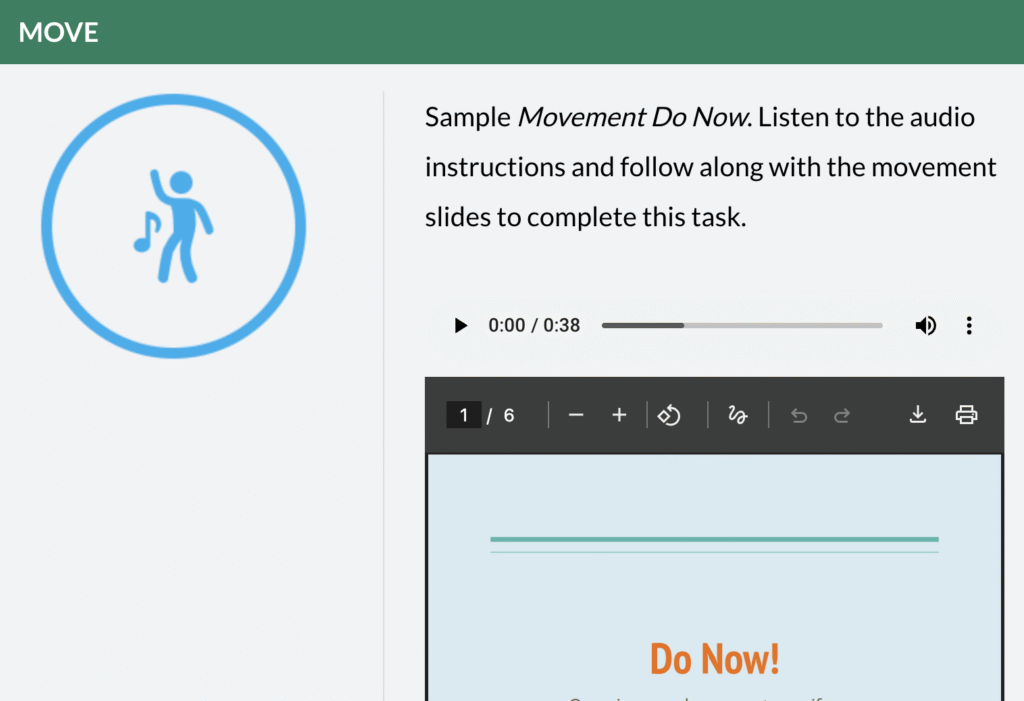
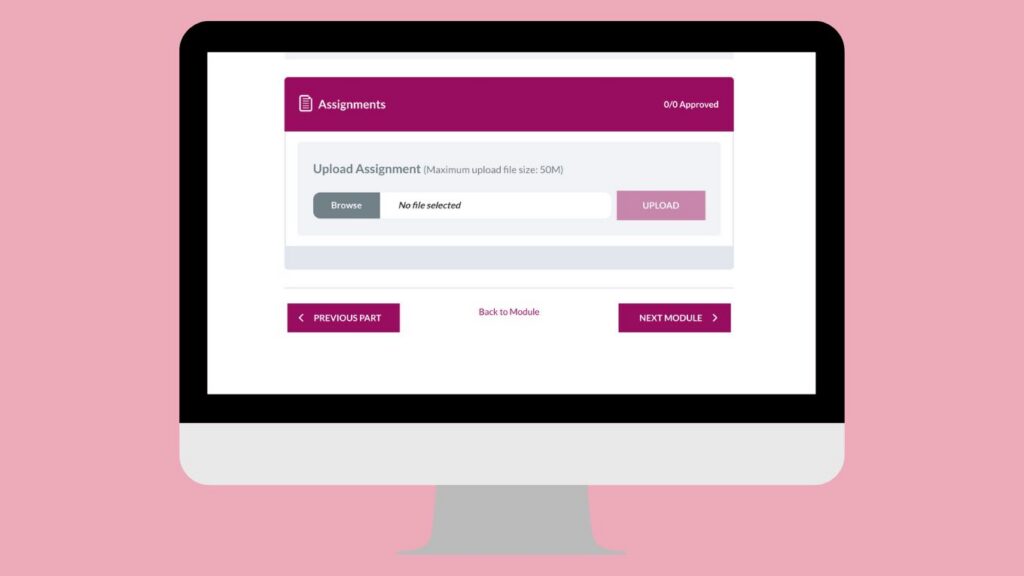
DEL's Online Learning Platform

Meet Your Instructors

Ann Biddle

Ann Biddle (B.A., Kenyon College; M.A., Teachers College, Columbia University) is a leader in the field of dance education with over 35 years of experience as a dancer, choreographer, educator, professional developer, school administrator, and curriculum writer. She currently serves as the Professional Learning and Curriculum Senior Consultant for the...

Dr. Susan Pope

SUSAN GADDY POPE, Ed. D. Susan's professional journey in dance education spans over 30 years, during which she has made significant contributions. Her teaching experience includes positions at the Newark Board of Education and the New York City Department of Education, where she also directed the SUMA/Children’s Aid Society Dance...
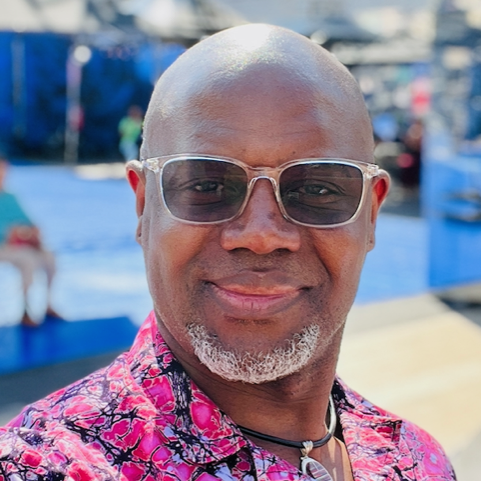
Edwin Brathwaite

Edwin Brathwaite is a certified science and dance educator teaches at Meyer Levin Performing Arts School, IS 285, for the past 20 years. A native of Barbados, West Indies, He facilitates New York Citywide Dance professional development, Arts Monday and workshops for Dance Educational Laboratory (DEL). He is currently facilitating...
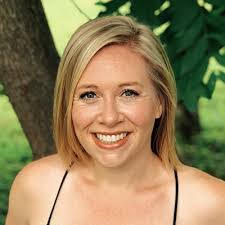
Felice Santorelli

Felice Santorelli (Ed.M Dance Education, B.F.A. Dance and Choreography) is a full time dance educator at the Pioneer Valley Performing Arts Charter Public School (PVPA) in Western Massachusetts. Felice’s teaching experience ranges from K-12 to higher education and in various styles of dance. Felice brings experience designing dance curriculum that...

David Cartahena Lee

David Cartahena Lee David earned his BFA in Dance Performance from the University of California, Irvine, where he was a member of Donald McKayle's company. He attained his MA in Dance Education: Dances of the African Diaspora from NYU, receiving the Outstanding Leadership in Social Justice in Dance Ed award....

Dr. Katrina Brown-Aliffi

Dr. Katrina Brown-Aliffi (MS, MA, EdD) is a dance educator at Harlem High School and has been teaching within the Democracy Prep Public Schools network since 2017. Brown-Aliffi is also a recent 2024 graduate of the Dance Education doctoral program at Teachers College, Columbia University. Her research interests include: arts and dance education in charter schools context-specific...